
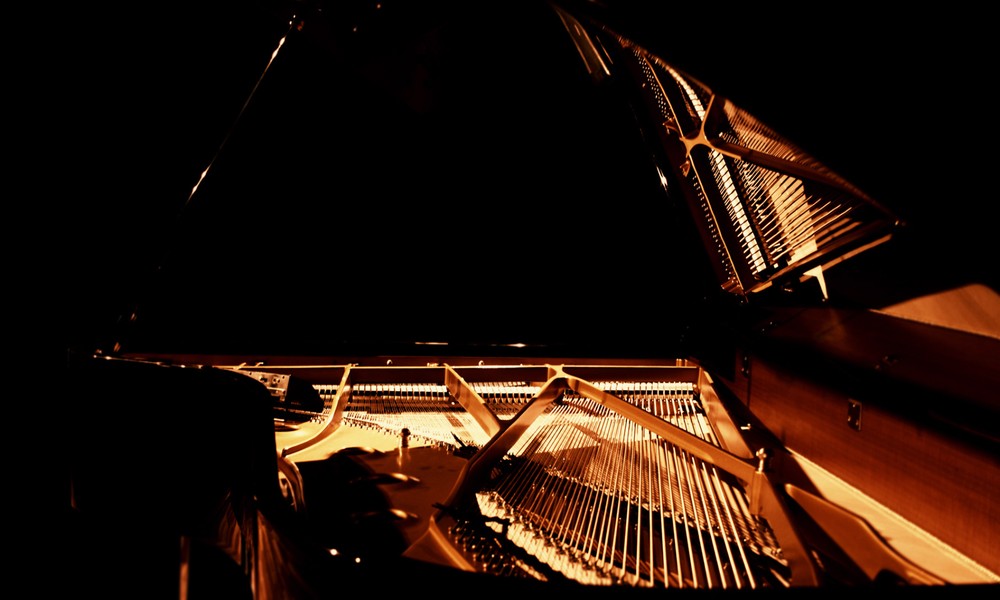

For many, a piano is more than just a musical instrument; it is a centerpiece of architectural beauty, a vessel for family history, and a marvel of mechanical engineering. However, like any complex machine made of organic materials like wood, wool, and leather, a piano has a lifespan. Over several decades, strings lose their brilliance, soundboards may crack, and the action-the “engine” of the piano-can become sluggish.
When a high-quality piano begins to show its age, the owner faces a critical decision: replace it with a modern mass-produced model or invest in a full restoration. While not every piano justifies the cost of a rebuild, certain heritage brands possess a level of craftsmanship that makes them timeless. Here are the iconic piano brands that are almost always worth restoring to their former glory.
1. Steinway & Sons
No list of iconic pianos is complete without Steinway. Founded in New York in 1853, Steinway & Sons set the standard for the modern piano. The reason Steinways are the primary candidates for restoration is their foundational build quality. Vintage Steinways (particularly those from the “Golden Era” between the 1890s and 1940s) were built with slow-growth woods that are no longer commercially available. When a vintage Steinway undergoes professional restoration, it often surpasses the tonal depth of a brand-new instrument. Because Steinway pianos retain their market value better than any other brand, restoration is not just an artistic choice, but a sound financial investment.
2. Mason & Hamlin
Once the chief rival to Steinway, Mason & Hamlin pianos are legendary for their “Tension Resonator”-a massive steel spider-shaped brace that locks the rim into shape. This unique engineering ensures that the crown of the soundboard remains intact for much longer than other brands. Mason & Hamlin pianos are known for an incredibly powerful bass and a lush, orchestral tone. Because they were built with such heavy-duty materials, a restored Mason & Hamlin is often described as a “piano for life,” capable of outlasting its owners when properly maintained.
3. Bösendorfer
Hailing from Vienna, Bösendorfer is one of the oldest piano manufacturers in the world. Unlike most brands that use a hardwood rim, Bösendorfer utilizes a “spruce block” construction, making the entire body of the piano part of the soundboard’s resonance. These instruments are famous for their singing, delicate treble and the inclusion of extra keys in the bass on certain models (like the Imperial Grand). Restoring a Bösendorfer requires a high level of precision, but the result is a unique, European tonal palette that modern, assembly-line pianos simply cannot replicate.
4. Baldwin (Artist Series)
While Baldwin produced many consumer-grade pianos, their “Artist Series” (models L, R, M, SF-10, and SD-10) were world-class instruments. During the mid-20th century, Baldwin was the piano of choice for legends like Leonard Bernstein and Ray Charles. These pianos are celebrated for their clarity and responsive action. Because the frames and scales of these American-made Baldwins were so well-engineered, they respond beautifully to new hammers, strings, and bridge repairs.
5. Bechstein
C. Bechstein is the pinnacle of German piano manufacturing. Historically, Bechstein was the favorite of composers like Franz Liszt and Claude Debussy. These pianos are known for a “transparent” tone-where every note in a complex chord can be heard clearly without blurring. Vintage Bechsteins often feature exquisite cabinetry and veneers, making them as much a work of art as a musical instrument. Restoring these allows a pianist to experience the precise, aristocratic touch that defined European concert halls for over a century.
6. Knabe & Chickering
Before the mid-20th century, Chickering and Knabe were household names. Chickering was the first American piano manufacturer, and Knabe was the official piano of the Metropolitan Opera for decades. These pianos often feature some of the most ornate Victorian-style cabinets ever produced. While they may not have the same “brand name” recognition today as Steinway, their internal scale designs are magnificent. For an owner who inherits a pre-war Knabe or Chickering, restoration can reveal a sweet, lyrical tone that is perfect for the home salon.
Choosing to restore an iconic brand is an act of preservation. A vintage instrument carries a “soul” earned through decades of vibration and music-making. Beyond the sentimental value, the structural integrity of these older brands is often superior to modern mid-range alternatives.
If you are located in the Northeast and find yourself in possession of one of these masterpieces, seeking out specialized piano restoration services NY is the first step toward breathing new life into the wood and wire. A professional rebuild involves more than just cleaning; it includes the meticulous regulation of thousands of moving parts, ensuring that the touch is as responsive as the day the piano left the factory.
In an age of disposable goods, a restored iconic piano stands as a testament to longevity. By choosing to rebuild a Steinway, a Mason & Hamlin, or a Bösendorfer, you are not just fixing an instrument-you are ensuring that a piece of musical history continues to sing for another hundred years.